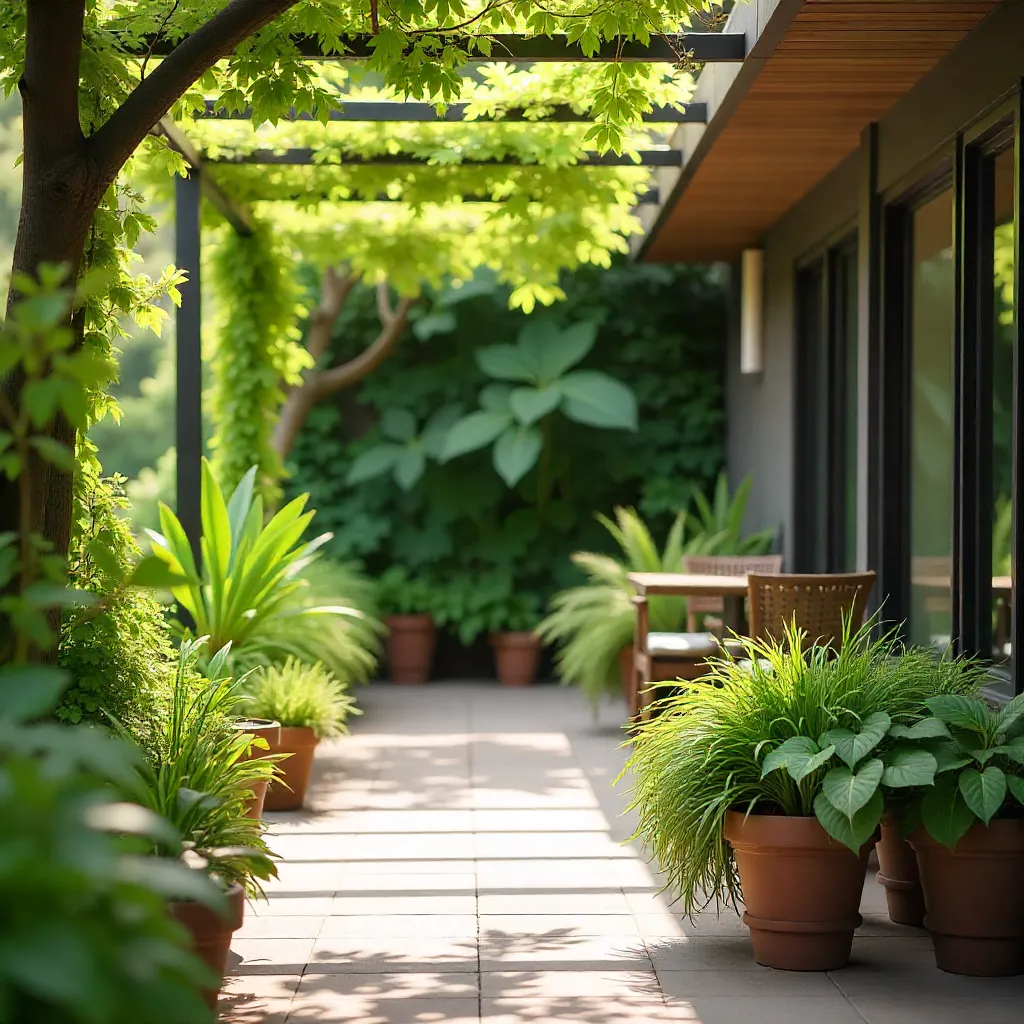
Protected terrace plants in winter

The Protection Archive

Non-toxic, sustainable materials for beautiful terrace protection throughout winter

Sustainable Protection Materials

These natural materials provide effective protection while maintaining aesthetic appeal. Each material offers unique benefits for different plant types and terrace conditions.

Burlap wrapping for plant protection

Burlap Wraps

Burlap, made from jute fibers, provides excellent breathability while protecting plants from harsh winds and temperature fluctuations. Its natural texture adds visual interest to winter terraces.

Best for: Shrubs, small trees, and container plants that need air circulation. Wrap loosely around plants, securing with natural twine. Remove during warm spells to prevent overheating.

Application: Start wrapping from the base, working upward. Leave the top open for air exchange. For extra protection, layer with additional materials during extreme cold.
Wood Chip Mulch

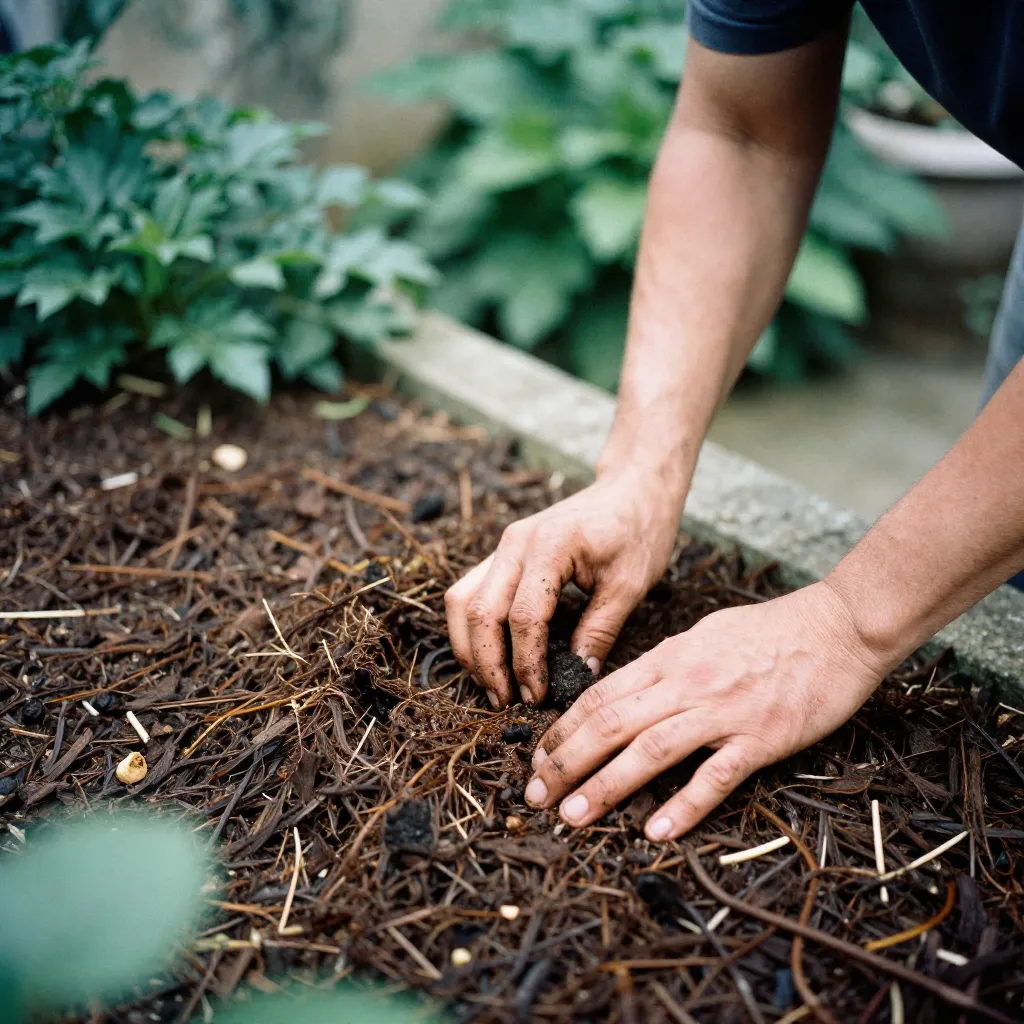
Wood chips create an insulating layer that protects plant roots from freezing temperatures. As they decompose, they enrich the soil and improve drainage.

Best for: Container plants, raised beds, and areas around plant bases. Use chips from untreated wood, avoiding materials that may contain harmful chemicals.

Application: Apply a 3-4 inch layer around plant bases, keeping chips away from direct contact with stems. Refresh annually as materials break down.

Wood chip mulch application
Natural wool wraps for plant protection

Natural Wool Wraps

Wool provides exceptional insulation while remaining breathable. Its natural fibers create air pockets that trap warmth, protecting plants from cold damage.

Best for: Delicate plants, young trees, and species sensitive to temperature changes. Wool maintains its insulating properties even when slightly damp.

Application: Wrap wool fabric around containers or plant bases. Secure with natural materials. Wool can be reused for multiple seasons with proper storage.

Straw Bales

Straw bales offer structural protection and insulation. They can be arranged to create windbreaks or used to surround containers, providing both functional and decorative benefits.

Best for: Creating microclimates, protecting multiple containers, and adding rustic aesthetic appeal. Straw decomposes slowly, providing season-long protection.

Application: Position bales around plant groupings or individual large containers. Ensure good drainage and monitor for moisture buildup. Remove in spring for composting.

Straw bale protection setup
Evergreen boughs for natural protection

Evergreen Boughs

Fresh evergreen branches provide natural insulation and wind protection. Their layered structure creates air pockets while allowing some light penetration.

Best for: Perennial beds, ground covers, and plants that benefit from light filtering. Boughs add natural beauty and seasonal fragrance.

Application: Lay boughs over plants or arrange around containers. Secure with natural twine if needed. Replace as needles drop or when spring arrives.

Protection Principles

Breathability

All protection materials must allow air circulation to prevent moisture buildup and fungal issues. Avoid plastic wraps that trap humidity.

Gradual Application

Apply protection gradually as temperatures drop, allowing plants to acclimate. Remove layers during warm periods to prevent overheating.

Aesthetic Integration

Choose materials that complement your terrace design. Protection can enhance winter beauty rather than detract from it.

Maintenance Tips

Regular monitoring ensures protection materials remain effective throughout winter. Check weekly for damage, moisture issues, or shifting.